


.jpg)
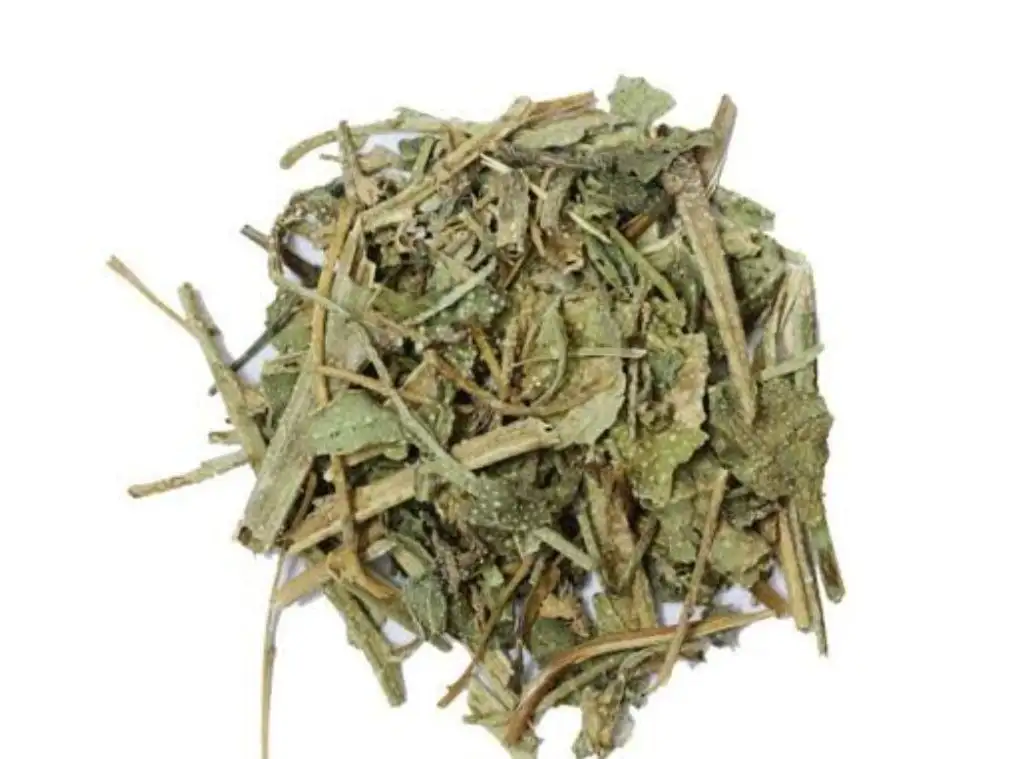
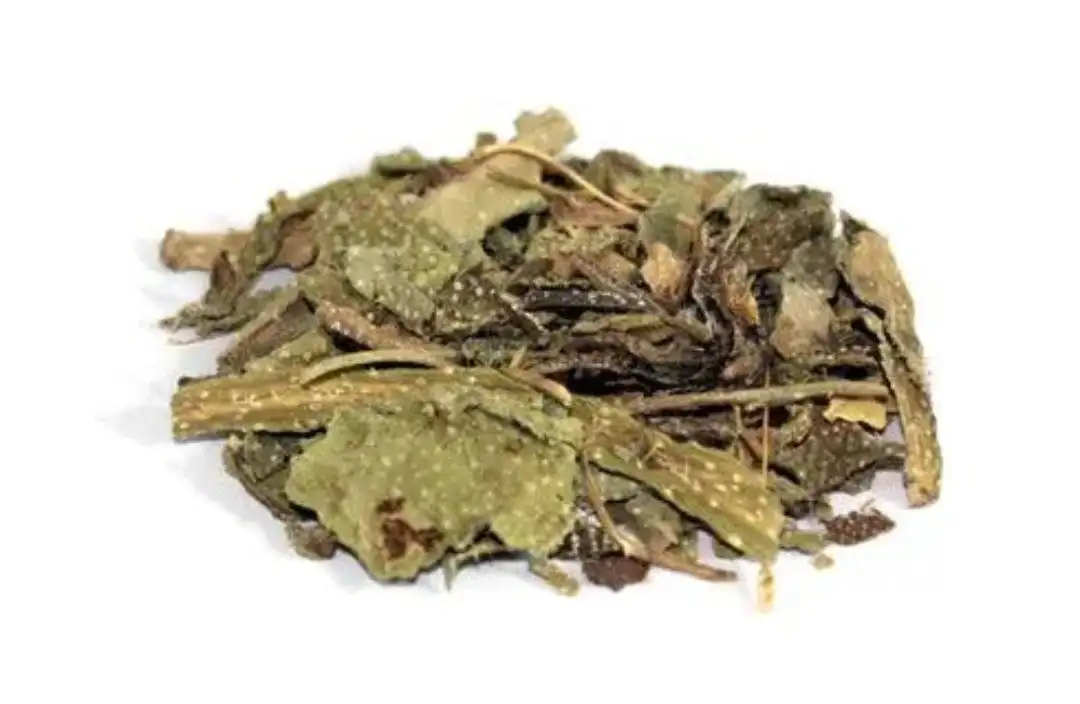
Roll over image to zoom in
Gajwan (Borage Flower)
The gajwan herb is also known as Gaozaban, Gaozaban, Gule Gaozaban, Gojihva, and Onosma Bracteatum. It is also called Borage Flower in English and is known by similar names like Gajwan Phool, Gul e Gazwan, and other variations such as Gazbaan, Gaujuban, and Gaajwaan.
Available Offers
| VARIANT | OFFERS |
|---|---|
| 1 kg | 13% OFF |
| 500 g | 33% OFF |
| 100 g | 50% OFF COD Available |
| 250 g | 38% OFF COD Available |
Delivery Check
Starting Price
₹150.00
Choose your preferred options to see the exact selling price and current offer.
In stock
Secure transaction
Delivery updates shown after zipcode check.
Seller E-Canteen
Secure Shopping
Protected checkout flow and a smoother purchase experience across desktop and mobile.
E-Canteen
Visit StoreOther Products from Seller:
Pishori Giri
₹ 900
₹ 1,500
40% OFF
Lal Mewa 500g
₹ 480
₹ 600
20% OFF
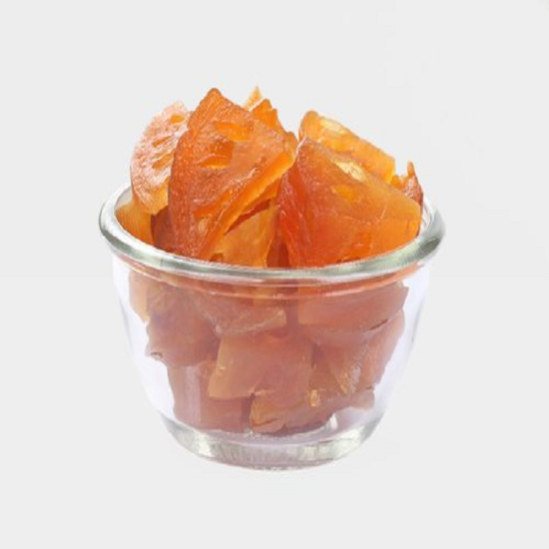
Bel Candy
₹ 260
₹ 300
13% OFF
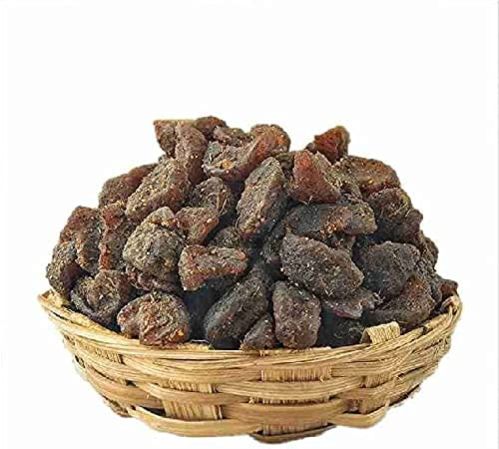
Amla Candy Chatpata
₹ 220
₹ 300
27% OFF
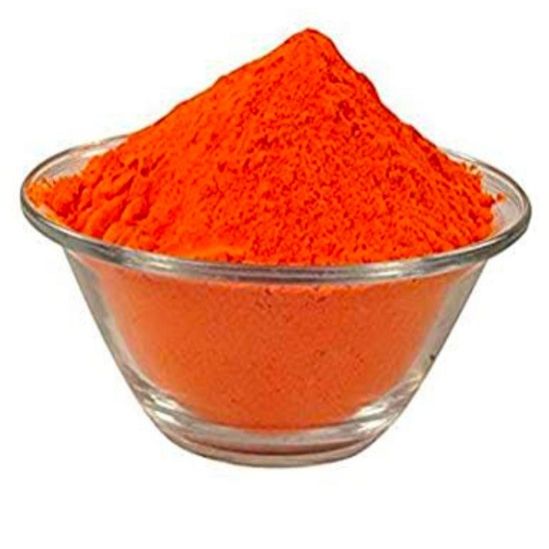
Divaldi sindoori
₹ 225
₹ 300
25% OFF
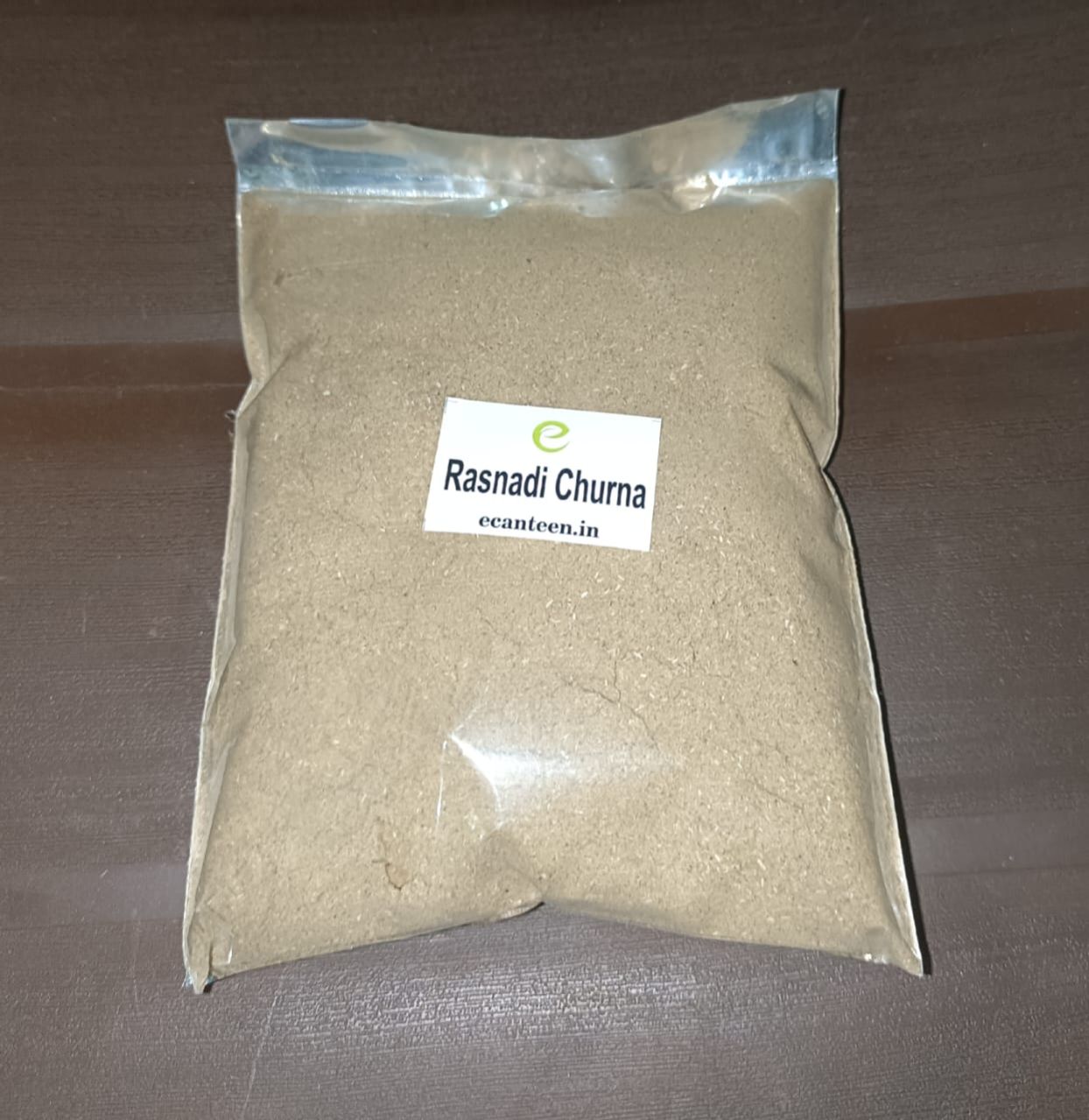
Rasnadi Churna
₹ 450
₹ 500
10% OFF
Share
Why Shop This Product


Product Details
| Net Weight : | 1 kg, 500 g, 100 g, 250 g |
| Made In : | India |
| Brand : | Generic |
Gajwan, also known as Gaozaban or by its scientific name Onosma bracteatum, is an Ayurvedic and Unani herb known for its wide range of traditional medicinal uses. It is often prized for its cooling properties and benefits for the respiratory, nervous, and cardiovascular systems.
Traditional health benefits of gajwan
Respiratory health
- Soothes coughs and asthma: Gajwan has demulcent and expectorant properties that help soothe irritated airways, expel mucus, and relieve frequent coughing.
- Manages colds and fevers: Traditional formulations like Arq Gawzaban are commonly used for feverish colds, chest congestion, and bronchitis.
- Relieves rhinitis: A cold infusion of gajwan flowers and fruits, often with licorice powder, is traditionally used to treat rhinitis and coughs.
Nervous system and mental health
- Calming effect: The herb is believed to have a calming effect on the nervous system, helping to reduce stress and anxiety.
- Supports mental clarity: Gajwan is used to strengthen the nervous system and address mental fatigue, depression, and other nervous conditions.
- Enhances memory: Some research suggests it may offer a protective effect against memory disorders and have a memory-boosting effect.
Heart and circulatory health
- Acts as a cardiotonic: Gajwan is used to strengthen the heart and can relieve functional heart palpitations.
- Lowers blood pressure: Research indicates potential hypotensive and vasodilator activities, which can help lower blood pressure.
- Supports cardiovascular function: Modern supplements featuring gajwan are often used to promote overall cardiovascular wellness.
Digestive and liver health
- Aids digestion: Gajwan is a mild laxative that can help relieve issues like constipation, bloating, and indigestion.
- Promotes liver function: The herb is believed to have hepatoprotective properties that help detoxify the liver and improve its overall health.
Other therapeutic effects
- Antioxidant and anti-inflammatory: Gajwan is rich in phytochemicals like flavonoids and tannins, which provide antioxidant and anti-inflammatory benefits.
- Diuretic properties: It has a diuretic effect that can help with painful urination, kidney stones, and other urinary tract issues.
- Wound healing: The ash or root powder of the plant is sometimes applied topically to help heal wounds and manage skin eruptions.
Forms and preparations
Gajwan is available in several forms, often as traditional Ayurvedic or Unani remedies:
- Herbal distillates (Arq): A purified form of the herb used for respiratory conditions, fever, and general well-being.
- Confections (Khamira): Paste-like preparations made with sugar, herbs, and honey, often used as a tonic for the heart and brain.
- Powder (Churna): The dried leaves and flowers can be consumed as a powder mixed with water or other liquids.
- Decoction (Kadha): A tea made by boiling the leaves or flowers is used to treat fever and other ailments.
Considerations and safety
- Consult a professional: It is always best to consult a qualified herbal practitioner or doctor before using gajwan, especially if you are pregnant, nursing, or have a pre-existing medical condition.
- Side effects: No major adverse effects are widely reported for internal use of Onosma bracteatum. However, rubbing the leaf on the skin can cause abrasion.
- Controversy in identification: There is some debate in traditional texts regarding the precise botanical source of "Gojihva," with several plants sometimes being referred to by this name. This can lead to different products having variations in their specific composition.
0 Reviews For this Product

Related Products


.jpg)


.jpg)