


.jpg)
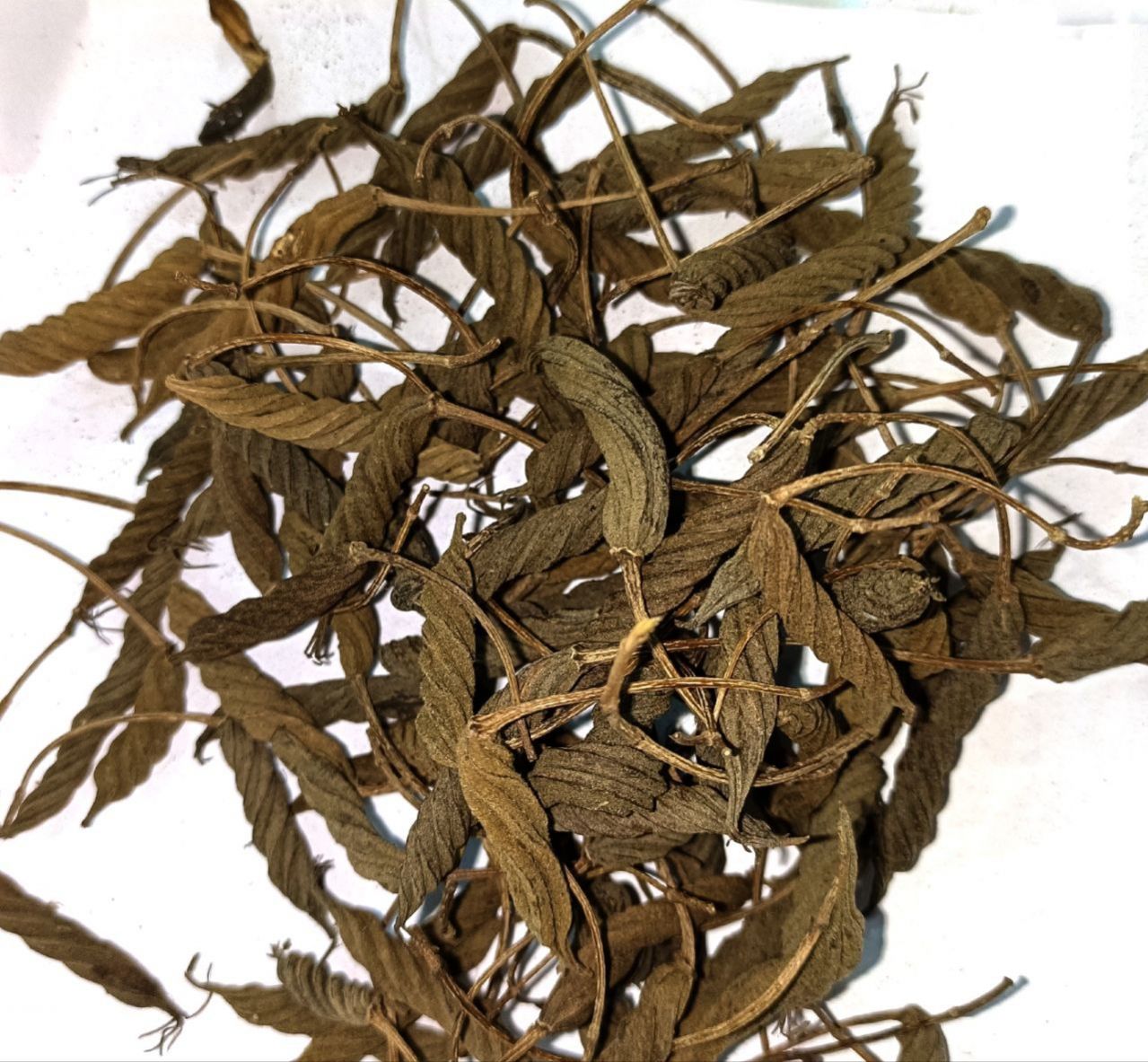
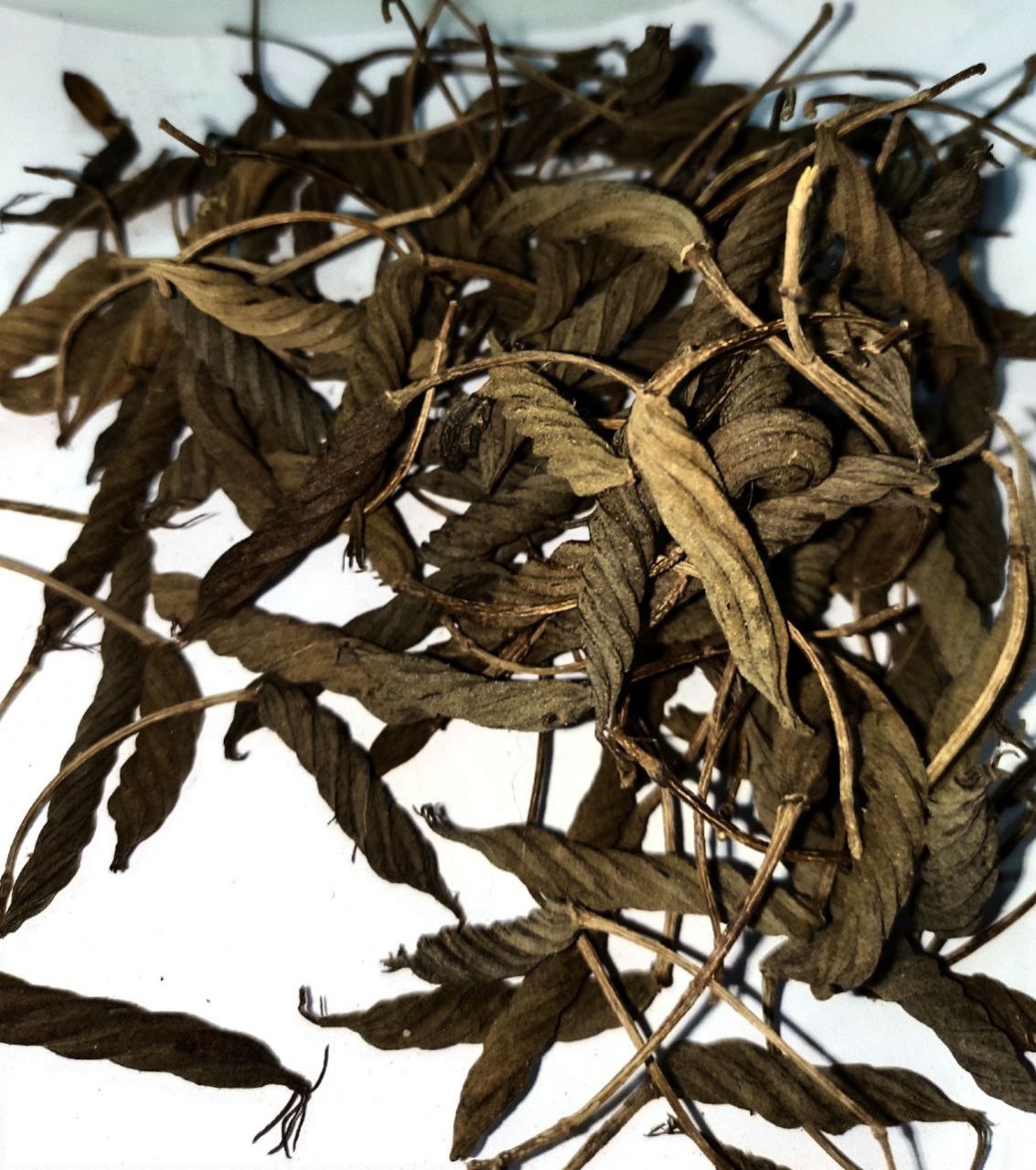
Roll over image to zoom in
Marod Phali (Helicteres Isora)
Marodphali supports as antioxidant and helps to purify blood.
Available Offers
| VARIANT | OFFERS |
|---|---|
| 1 kg | 17% OFF |
| 500 g | 25% OFF COD Available |
| 100 g | 25% OFF COD Available |
| 250 g | 33% OFF COD Available |
Delivery Check
Starting Price
₹150.00
Choose your preferred options to see the exact selling price and current offer.
In stock
Secure transaction
Delivery updates shown after zipcode check.
Seller E-Canteen
Secure Shopping
Protected checkout flow and a smoother purchase experience across desktop and mobile.
E-Canteen
Visit StoreOther Products from Seller:
Pishori Giri
₹ 900
₹ 1,500
40% OFF
Lal Mewa 500g
₹ 480
₹ 600
20% OFF
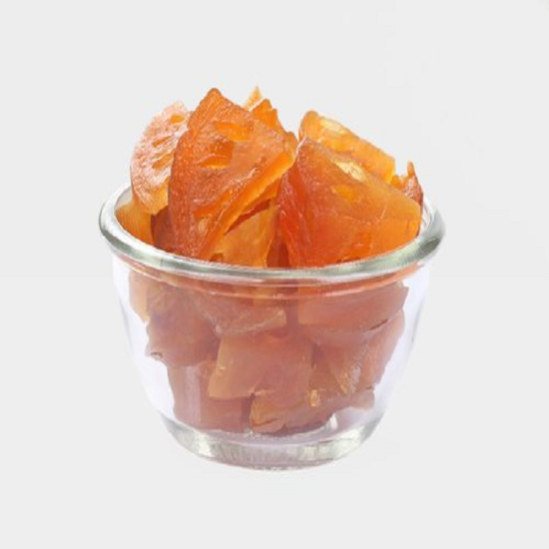
Bel Candy
₹ 260
₹ 300
13% OFF
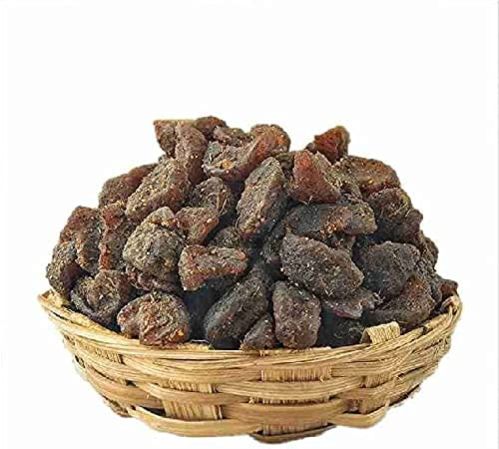
Amla Candy Chatpata
₹ 220
₹ 300
27% OFF
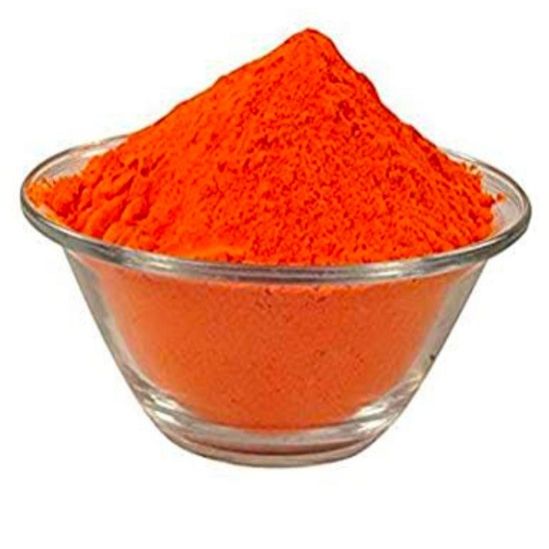
Divaldi sindoori
₹ 225
₹ 300
25% OFF
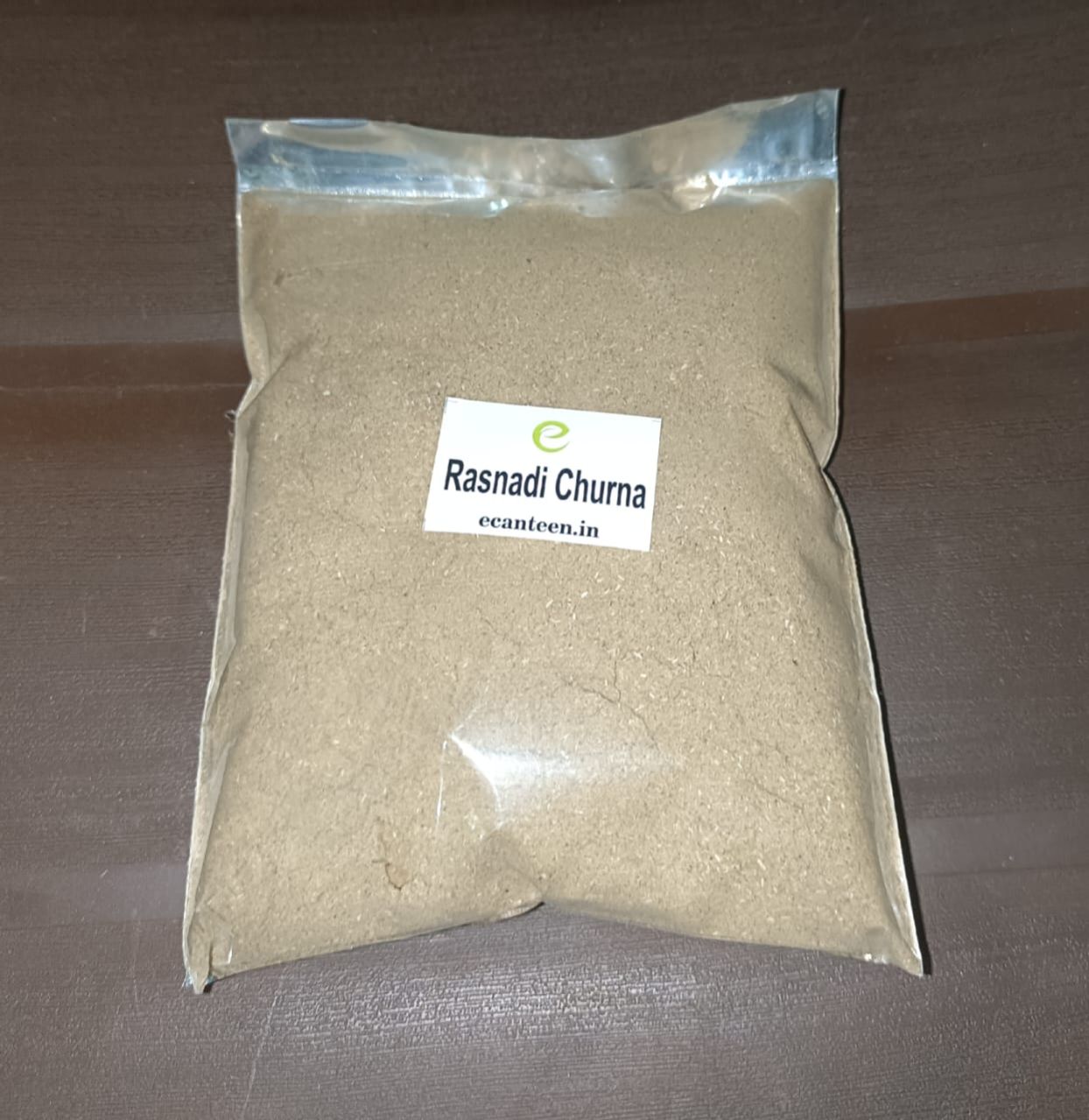
Rasnadi Churna
₹ 450
₹ 500
10% OFF
Share
Why Shop This Product


Product Details
| Net Weight : | 1 kg, 500 g, 100 g, 250 g |
| Made In : | India |
| Brand : | Generic |
Marodphali supports as antioxidant and helps to purify blood. Regular use of Marodphali may help proper utilisation of sugar molecules from Intestine to maintain low blood sugar levels. East Indian screw tree fruit promotes relaxation of intestinal muscles and helps healthy digestion.
What is Maror phali used for?
The fruit, and bark of Marorphali are astringent in gripes, anti-diarrheal, and anthelmintic. They are used most commonly in the treatment of intestinal complaints such as griping in the bowels, and flatulence, diarrhea, dysentery, and worm infestation.
Rich in antioxidants of therapeutic importance, the pods are also used medicinally to help develop physical toughness and endurance in individuals. The pods of the plant grow facing two different directions and are referred to as valam piri (left twist) and idam piri (right twist) in Kerala – where the extract is used to treat colic ailments in adults and children. Referred to as murud shenga in Maharashtra – as a reference to the crimping patterns on the outside, where it is also used in a medicinal capacity for new-born babies, in order to improve their gut health before feeding them solid foods.
The medicinal properties of these wild pods are also instrumental in treating developmental disorders in children. According to Ayurvedic medicine, the marod phali pods are capable of balancing the vatta (air) and kapha (phlegm) in the upper and lower parts of our bodies. Along with aiding in blood purification, it also helps regulate the use of sugar molecules in the intestine. For external use, a paste made with the marod phali pods and bark can soothe skin irritation and lighten pigmentation. It is believed that ancient folk medicine also used the pods from the plant to treat snake bites. The quinolone alkaloid and tannins present in the astringent spice can be particularly beneficial to those suffering from the passing of loose stools and diarrhoea.
0 Reviews For this Product

Related Products


.jpg)


.jpg)